Advertisement

Category: Visa

  • How To Get An Australia Work Permit For Foreigners

    Getting a work permit for Australia can be an exciting yet challenging process for foreigners who want to work in this beautiful country. Australia offers many job opportunities, but it’s important to understand the steps involved. How do you apply for a work permit? What are the requirements, and how can you ensure your application is successful?

    Do you wonder if you meet the qualifications for a work permit? Do you need a job offer to apply? What visa options are available, and which one should you choose? These are all important questions to consider when planning to work in Australia.

    This page will answer those questions and more. We’ll walk you through the steps for obtaining a work permit, explain the various visa options, and offer helpful tips to make the application process smoother. Keep reading to learn how to make your Australian work goals a reality.

    Is It Hard To Get A Job In Australia As A Foreigner?

    Finding a job in Australia as a foreigner can be tough, but it’s definitely possible. The level of difficulty depends on several factors like your skills, qualifications, industry, and the demand for workers in that sector. Australia has a strong job market, but it’s also competitive, especially for those coming from abroad. Here are some things to keep in mind:

    1. Visa Requirements: To work in Australia, you need a valid work visa. Some visas require you to have a job offer from an employer who is willing to sponsor you. This process can be complicated, and many employers may prefer candidates who already have the right to work in Australia.
    2. Skills and Qualifications: Australia has a Skilled Occupation List (SOL) that includes jobs that are in high demand. If your skills and qualifications match the jobs on this list, your chances of finding a job are higher. However, if your field is not in demand, finding a job may be harder.
    3. Local Experience and Networking: Many employers look for candidates with local experience and an understanding of Australian work culture. Building a professional network, attending industry events, and gaining experience through internships can boost your chances of getting hired.
    4. Competition: Since Australia attracts job seekers from around the world, the competition for positions can be tough. Being well-prepared with a strong resume and understanding of the job market can help you stand out.

    How Many Years Does It Take To Get A Work Permit In Australia?

    The time it takes to get a work permit in Australia can differ based on the type of visa and your individual situation. Here’s a basic guide:

    Temporary Work Visas (e.g., Temporary Skill Shortage Visa – Subclass 482):

    • Processing Time: It typically takes a few weeks to a few months to process this type of visa.
    • Duration: These visas are usually valid for up to four years, depending on your job and employment conditions.

    Permanent Work Visas (e.g., Employer Nomination Scheme Visa – Subclass 186):

    • Processing Time: Permanent work visas generally take longer to process, anywhere from six months to more than a year, depending on the visa type and how complex your application is.
    • Duration: This visa allows you to live and work in Australia permanently once approved.

    Skilled Migration Visas (e.g., Skilled Independent Visa – Subclass 189):

    • Processing Time: The processing time for skilled migration visas varies but often takes several months to over a year.
    • Duration: These visas provide permanent residency, allowing you to live and work in Australia for as long as you want.

    What Is The Maximum Age Limit For A Work Permit In Australia?

    The maximum age limit for obtaining a work permit in Australia varies depending on the type of visa you apply for:

    • Temporary Work Visas (e.g., Temporary Skill Shortage Visa – Subclass 482):
      There is generally no set age limit for this visa. However, applicants must meet health and character requirements. Employers may take age into account when hiring, but it is not a strict requirement.
    • Employer Nomination Scheme Visa (Subclass 186):
      Applicants must be under 45 years old when applying. There are some exceptions for specific jobs or situations, such as if you apply through the Direct Entry stream with the right skills.
    • Skilled Migration Visas (e.g., Skilled Independent Visa – Subclass 189, Skilled Nominated Visa – Subclass 190):
      The age limit is typically 45 years when invited to apply. However, if you are over 45, you may still qualify if you have exceptional skills or are nominated by a state or territory.
    • Working Holiday Visas (e.g., Working Holiday Visa – Subclass 417):
      The age limit is 30 years, or 35 years for applicants from certain countries. This visa is for young travelers who want to work and explore Australia.

    In general, most work-related visas in Australia have an age limit of 45 years, but this can vary depending on the visa type and individual factors.

    How To Get An Australia Work Permit For Foreigners

    Here’s a simple guide to getting a work permit in Australia as a foreigner:

    1. Choose the Right Visa:
      • Skilled Work Visas: For workers with specific skills, such as the Skilled Independent Visa (Subclass 189) or the Skilled Nominated Visa (Subclass 190).
      • Temporary Work Visas: For short-term work, such as the Temporary Skill Shortage Visa (Subclass 482).
      • Employer-Sponsored Visas: If an Australian employer sponsors you, such as the Employer Nomination Scheme Visa (Subclass 186).
    2. Check Eligibility Requirements:
      • Skills and Qualifications: Make sure your qualifications match the visa requirements. Some visas may require a skills assessment.
      • English Skills: You may need to prove your English proficiency through tests like IELTS or TOEFL.
      • Health and Character: Meet the health and character standards, which may involve medical checks and background verification.
    3. Get a Skills Assessment:
      • For skilled work visas, you might need to have your skills assessed by a recognized authority to confirm they meet Australian standards.
    4. Submit an Expression of Interest (EOI):
      • For some visas, you’ll need to submit an EOI through the SkillSelect system, which shows your interest in migrating to Australia.
    5. Get a Nomination or Sponsorship:
      • For employer-sponsored visas, you need a job offer from an Australian employer willing to sponsor you. For skilled migration visas, you may need a nomination from a state or territory.
    6. Apply for the Visa:
      • Once you have your nomination or sponsorship (if applicable) and all required documents, you can apply for the visa either online or through a paper application, depending on the visa.
    7. Prepare for the Visa Interview:
      • You may need to attend an interview or submit extra documents. Review your application and supporting materials in preparation.
    8. Wait for the Decision:
      • After you apply, wait for the Department of Home Affairs to process your application. Processing times can vary depending on the visa and your situation.
    9. Receive Your Visa:
      • If approved, you’ll receive your visa, allowing you to work in Australia under the visa’s conditions.
    10. Plan Your Move:
    • After receiving your visa, you can plan your move to Australia, including finding housing and familiarizing yourself with local rules and regulations.

    Frequently Asked Questions About How To Get An Australia Work Permit

    What types of work permits are available for Australia?

    Australia offers various work permits, including Skilled Work Visas (e.g., Subclass 189, 190), Temporary Work Visas (e.g., Subclass 482), and Employer-Sponsored Visas (e.g., Subclass 186). Each visa type has specific eligibility criteria and requirements.

    Do I need a job offer to apply for a work permit?

    For some visas, such as the Employer Nomination Scheme Visa (Subclass 186) and the Temporary Skill Shortage Visa (Subclass 482), a job offer from an Australian employer is required. However, other visas, like the Skilled Independent Visa (Subclass 189), do not require a job offer but do require meeting skill and qualification requirements.

    Can I apply for a work permit if I am already in Australia?

    Yes, you can apply for a work permit while you are in Australia, but you must hold a valid visa that allows you to stay while your application is processed. Ensure you comply with your current visa conditions and apply for the appropriate visa.

    What happens if my work permit application is denied?

    If your application is denied, you will receive a notification with the reasons for the refusal. Depending on the reason, you may be able to appeal the decision, address the issues, and reapply. It is helpful to seek advice from a migration agent for further steps.

    Can my family accompany me on a work permit?

    Depending on the visa type, you may be able to include family members in your application. Family members can include your spouse, children, or other dependents. Check the specific visa conditions to see if your family can join you.

  • How To Get Canadian Visa Sponsorship | Top Companies

    How To Get Canadian Visa Sponsorship | Top Companies

    Getting a job in Canada is a goal for many people, but one of the biggest challenges is securing visa sponsorship. Canada’s diverse job market and welcoming immigration policies make it a popular choice for workers worldwide. However, it’s important to know how to find an employer who can sponsor your visa to make your dream job a reality.

    Are you unsure about how to begin your search for a job with visa sponsorship in Canada? Do you need help figuring out which companies are more likely to sponsor foreign workers or how to talk to employers about sponsorship opportunities? Many job seekers find this process unclear and don’t know what steps to take.

    This guide will help you understand how to get a Canadian employer to sponsor your visa. It provides tips on finding employers who sponsor foreign workers, answers common questions, and offers practical advice to improve your chances of success. Whether you’re just starting your job search or want to improve your approach, this guide will support you through each stage of the process.

    How To Get Canadian Visa Sponsorship

    How To Get Canadian Visa Sponsorship

    1. Research the Canadian Job Market

    Start by understanding the job market in Canada, focusing on industries like IT, healthcare, engineering, and skilled trades that often hire foreign workers. Knowing where the demand is can help you find potential employers.

    2. Create a Professional Resume and Cover Letter

    Make sure your resume and cover letter follow Canadian standards. Highlight your skills, experience, and qualifications that match the job requirements. Don’t forget to mention your interest in working in Canada and your need for visa sponsorship.

    3. Apply to Companies That Hire International Workers

    Look for Canadian companies that frequently hire foreign workers. Use job search sites like LinkedIn, Indeed, and Glassdoor to find listings. Pay attention to employers offering visa sponsorship, and also reach out to recruitment agencies that specialize in hiring international workers.

    4. Connect with Canadian Professionals

    Networking can improve your chances of landing a job. Join industry groups, attend events, and connect with professionals in Canada on LinkedIn. Personal recommendations from your network can help you access job opportunities.

    5. Learn About the Work Permit Process

    Once you get a job offer, your employer will need to apply for a Labour Market Impact Assessment (LMIA) to ensure hiring you won’t negatively affect local workers. After the LMIA is approved, you can apply for a work permit. Knowing this process ahead of time can save you time.

    6. Prepare for Job Interviews

    If a Canadian employer is interested in your application, get ready for interviews. Research Canadian interview styles and practice explaining how your skills meet the company’s needs. Be open about needing visa sponsorship and guide the employer through the process if needed.

    7. Be Persistent

    Finding a job in Canada with visa sponsorship may take time, so be patient. Keep applying to different companies and adjust your approach as needed. Persistence and flexibility will help you succeed.

    8. Seek Help from Immigration Experts

    If you’re unsure about the visa process or need help with Canadian immigration laws, consider consulting an immigration lawyer or expert. They can provide advice and help you avoid common mistakes.

    Top 10 Canadian Visa Sponsoring Companies

    1. Shopify

    Shopify, a top e-commerce company in Ottawa, Canada, offers visa sponsorship to skilled professionals from around the world. The company is seeking tech experts like software developers and data analysts to enhance its online platforms. If you have a tech background and want to work for a leading e-commerce company, Shopify is a great choice for visa support.

    2. Loblaws

    Loblaws is one of the largest grocery and pharmacy chains in Canada. They offer visa sponsorship for various roles, including positions in store management, pharmacy, and logistics. If you have experience in retail or pharmacy and want to work with a well-known grocery chain, Loblaws provides both job opportunities and visa support.

    3. RBC (Royal Bank of Canada)

    RBC, one of Canada’s top banks, regularly sponsors visas for international professionals in fields like finance, IT, and customer service. They are always looking for skilled individuals to help deliver high-quality financial services. If you specialize in finance or technology, RBC is a good choice for visa sponsorship.

    4. SNC-Lavalin

    SNC-Lavalin is a global leader in engineering and construction. The company provides visa sponsorship for professionals in engineering, project management, and other technical areas. SNC-Lavalin works on large projects and values experts who can contribute to their success. If you have experience in engineering or construction, they offer visa support to qualified applicants.

    5. Telus

    Telus, a leading telecommunications company in Canada, offers visa sponsorship for various roles, including IT specialists, engineers, and customer service representatives. Focused on innovation, Telus is looking for skilled individuals to help improve its services. If you have experience in technology or customer service, Telus is an excellent option for visa sponsorship.

    6. CGI Group

    CGI Group is a leading IT and business consulting company that helps individuals move to Canada by offering work visa sponsorship. They are looking for skilled professionals in fields like software development, consulting, and systems analysis. If you have experience in technology or consulting, CGI may offer job opportunities along with visa sponsorship.

    7. Deloitte Canada

    Deloitte is a well-known global firm that provides services in auditing, consulting, tax, and advisory. They offer work visa sponsorship for professionals in these areas. If your expertise lies in consulting, auditing, or technology, Deloitte could help you with the visa process if you meet their job requirements.

    8. Bombardier

    Bombardier is a top company specializing in building airplanes and trains. They support work visa applications for professionals in engineering, design, and other specialized fields related to aerospace and transportation. If you have the right skills, Bombardier could be a great option for working in Canada with visa sponsorship.

    9. Amazon Canada

    Amazon, a global leader in online retail and technology, offers work visa sponsorship for various roles in Canada. Positions such as operations managers, software developers, and logistics specialists are often in demand. Due to Amazon’s growth, they regularly seek skilled workers from across the globe to join their team.

    10. Manulife

    Manulife is one of Canada’s leading financial services companies and offers work visa sponsorship for jobs in finance, insurance, and IT. If you have experience in these fields, Manulife could provide an excellent opportunity to secure a job and relocate to Canada as part of their global talent recruitment.

    Frequently Asked Questions About How To Get Canadian Visa Sponsorship

    What types of jobs are most likely to get visa sponsorship?


    Jobs in fields with high demand, such as technology, engineering, healthcare, and finance, are more likely to offer visa sponsorship. Employers in these areas are often willing to sponsor skilled workers from other countries.

    Do I need to speak French or English to get a job in Canada?


    Yes, speaking English or French is often important, depending on the region where you want to work. Most jobs in Canada require at least basic proficiency in one of these languages.

    Can I apply for a work visa if I am currently outside Canada?


    Yes, you can apply for a work visa from outside Canada. Your employer in Canada will help with the visa application process, but you’ll need to follow the steps for applying from your home country.

    Can I switch jobs while on a work visa?


    If you want to change jobs while on a work visa, you generally need to get a new LMIA and update your work permit. Make sure to follow the proper procedures to avoid any issues with your visa status.

  • How To Get A USA Work Permit For Foreigners

    How To Get A USA Work Permit For Foreigners

    Getting a work permit in the United States opens up many career opportunities. But where should you start? What are the necessary steps to work legally in the U.S., and which documents do you need?

    Many people have questions like: What types of work permits are available? How do I pick the right one? What is the application process, and how long does it take? Understanding these steps is crucial for anyone looking to work in the U.S. and achieve their career goals.

    This guide will walk you through the process of obtaining a U.S. work permit. We will cover the different types of permits, the required documents, and how to complete your application. By following this guide, you’ll have everything you need to begin your journey to working in the United States.

    How To Get A USA Work Permit For Foreigners

    Is It Hard To Get A Job In USA As A Foreigner?

    Finding a job in the USA as a foreigner can be tough, but with careful planning and the right steps, it’s possible. Here’s a simple guide on what to keep in mind:

    1. Visa Requirements

    To work in the USA legally, you’ll need a work visa. The visa type depends on the job you’re applying for. The H-1B visa is common for specialized roles in fields like tech or engineering. The L-1 visa is for employees being transferred within a company from overseas to a US branch. The O-1 visa is for people with exceptional skills, like top artists, athletes, or scientists. To get any of these visas, you must first receive a job offer from a US employer willing to sponsor you. The employer submits paperwork to immigration authorities, which can be a long and competitive process.

    2. Job Market Demand

    • High-Demand Fields: Certain sectors, such as technology, healthcare, and engineering, need skilled workers and are more open to hiring foreign talent. If you have skills in these areas, you may find it easier to get hired and sponsored for a visa.
    • Competitive Fields: In industries like marketing, media, or business, there may be more competition for jobs. To stand out, you might need specialized skills, more experience, or something unique, like fluency in multiple languages or international experience.

    3. Qualifications and Experience

    • Relevant Skills: Make sure your qualifications and experience match the job requirements. US employers prefer candidates with skills that are in demand but hard to find locally. Highlight the skills that best suit the position in your resume.
    • Credential Recognition: If you hold a degree or certification from another country, check if it’s recognized in the USA. You might need to have your credentials evaluated or complete additional exams to meet US standards.

    4. Networking and Connections

    Networking is crucial when job hunting in the US. Building connections can help you find job openings, receive recommendations, and meet people who might assist in your search. Attend industry events, join professional groups, and use LinkedIn to connect with people in your field. Sometimes, having the right connections can give you an edge.

    5. Language Skills

    Being fluent in English is important for working in the US. Most workplaces use English for communication, so having strong speaking and writing skills is necessary. If English isn’t your first language, consider taking courses to improve. Good communication will help in interviews and day-to-day work situations.

    6. Application Process

    Job searching in the US requires more than just applying online. Look for openings on job boards, company websites, or recruitment agencies that focus on foreign workers. Tailor your resume and cover letter to US standards, showcasing your skills, experience, and any US education or work history. Be clear about your visa status and whether you need sponsorship.

    7. Cultural Adaptation

    Work culture in the US might be different from what you’re used to. Understanding these differences can help you adapt and succeed. For example, US workplaces value punctuality, initiative, and teamwork. Learning about workplace norms, such as how meetings are run, the importance of networking, and expectations around work-life balance, will help you fit in and perform well.

    How Many Years Does It Take To Get A Work Permit In USA?

    The time it takes to get a work permit in the USA can vary depending on the type of visa, how quickly U.S. Citizenship and Immigration Services (USCIS) processes your application, and your personal situation. Here’s a simple guide:

    1. Type of Visa

    • H-1B Visa: This visa is for jobs requiring specialized skills. It typically takes about 3 to 6 months to process. If you need it faster, you can pay for premium processing, which speeds it up to around 15 days.
    • L-1 Visa: This visa is for people transferring within their company from a foreign branch to a US branch. Processing time is usually 1 to 6 months.
    • O-1 Visa: For individuals with extraordinary abilities in fields like science, arts, or sports, the processing time is generally 2 to 3 months. Premium processing is also available.

    2. Application Process

    • Labor Certification (if required): Some visas, like the H-1B, may require a Labor Condition Application (LCA), which can add a few extra weeks to the process.
    • Petition Approval: Your employer must file a petition with USCIS, and the approval time varies based on the visa type and current processing times.
    • Consular Processing: If you’re applying from outside the US, you’ll need to go through consular processing at a US embassy or consulate. This can take additional time based on their schedule.

    3. Current Processing Times

    Processing times can change depending on the number of applications USCIS is handling, changes in immigration rules, and other factors. It’s a good idea to check the latest processing times on the USCIS website or consult an immigration lawyer for the most up-to-date information.

    4. Additional Steps

    Background Checks and Security Clearances: Depending on your case, you may need additional checks, which could take more time. This depends on your specific situation.

    What Is The Maximum Age Limit For A Work Permit In the USA?

    In the United States, there is no specific age limit for obtaining a work permit. What matters most when applying for a work permit are your job offer, qualifications, and ability to meet the visa requirements, rather than your age.

    Key Points to Keep in Mind: 

    Visa Requirements: Work visas such as H-1B, L-1, and O-1 are based on your job offer, skills, and qualifications. As long as you fulfill the visa criteria and have a legitimate job offer, age is not a factor. Employer Preferences: While employers may have certain preferences, they cannot make hiring decisions based on age. U.S. laws ensure that hiring practices are fair, meaning age should not stop you from obtaining a work permit. Special Programs: Though most work visas don’t have age restrictions, there may be rare cases or specific programs with age-related criteria, but this is uncommon. Pathways to Permanent Residency: If you’re aiming for permanent residency, like through an Employment-Based Green Card, age could influence certain points systems in immigration. However, this does not directly impact your ability to receive a work permit.

    How To Get A USA Work Permit For Foreigners

    Getting a work permit in the U.S. as a foreigner involves several important steps. Here’s a simplified guide to help you through the process:

    1. Pick the Right Work Visa

    • H-1B Visa: For jobs that require a bachelor’s degree or higher.
    • L-1 Visa: For employees transferring to a managerial or specialized position within the same company.
    • O-1 Visa: For people with exceptional skills or accomplishments in their field.
    • TN Visa: For professionals from Canada and Mexico under NAFTA.

    2. Get a Job Offer 

    You must first get a job offer from a U.S. employer who is willing to sponsor you. The job should match the type of visa you are applying for.

    3. Employer Files the Petition

    • Your employer must file a petition with U.S. Citizenship and Immigration Services (USCIS) on your behalf. For example, if you’re applying for an H-1B visa, your employer will use Form I-129.
    • Your employer will also need to submit documents like the job offer letter and proof of your qualifications.

    4. Labor Condition Application (if required)

    For the H-1B visa, your employer may need to get a Labor Condition Application (LCA) from the U.S. Department of Labor (DOL) to prove that hiring you won’t negatively impact U.S. workers’ wages or working conditions.

    5. Wait for Petition Approval

    USCIS will review the petition, and the processing time can vary. You can check the current processing times on the USCIS website.

    6. Apply for a Visa

    • If you’re outside the U.S., you’ll need to apply for a visa at a U.S. embassy or consulate. This involves completing Form DS-160 (Online Nonimmigrant Visa Application) and scheduling a visa interview.
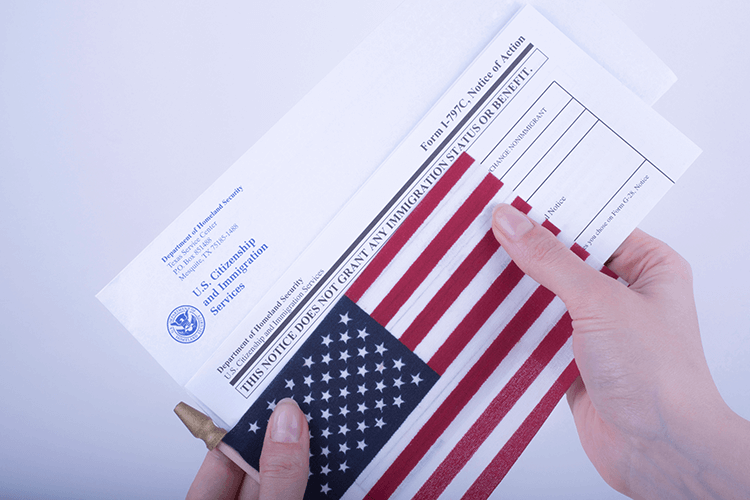
    • Bring the necessary documents to your interview, such as the petition approval notice (Form I-797), your passport, the job offer letter, and any other required documents.

    7. Receive Your Work Visa

    If your visa is approved, you will receive a visa stamp in your passport, allowing you to travel to the U.S. and work for the employer who sponsored you.

    8. Travel to the U.S.

    Upon arrival, present your visa and supporting documents to U.S. Customs and Border Protection (CBP) at the entry point.

    9. Start Working

    You must work only for the employer who sponsored you and follow all the rules of your visa.

    Additional Tips:

    • Consult an Immigration Lawyer: If your situation is complicated, it’s wise to seek advice from an immigration lawyer.
    • Stay Updated: Immigration laws can change, so it’s important to stay informed about visa requirements and processing times.

    Frequently Asked Questions About How To Get A USA Work Permit

    Do I need a job offer to apply for a work permit?


    Yes, most work visas require you to have a valid job offer from a U.S. employer who will sponsor you. The job must fit the type of visa you are applying for.

    What is the Labor Condition Application (LCA), and do I need it?


    The LCA is a document that some employers must get from the U.S. Department of Labor. It shows that hiring a foreign worker won’t negatively affect the wages and working conditions of U.S. workers. It’s needed for H-1B visa applications.

    What should I do if my work visa application is denied?


    If your application is denied, review the reasons for the denial, fix any issues, and consider reapplying or appealing the decision if possible. An immigration lawyer can help you understand your options.

    Can my family come with me while I work in the U.S.?


    Yes, your spouse and children may be able to come to the U.S. with you. They may need to apply for their own visas, like the H-4 visa for family members of H-1B visa holders.

    How can I check the status of my work visa application?


    You can check your application status online on the USCIS website using your receipt number. You can also get updates from the U.S. embassy or consulate where you applied.

    What happens if I overstay my visa?


    Overstaying your visa can lead to serious consequences, including being deported and banned from returning to the U.S. It’s important to follow visa rules and keep your visa status valid.

  • How To Get A Canadian Work Permit For Foreigners

    How To Get A Canadian Work Permit For Foreigners

    Canada is a popular destination for skilled workers worldwide, offering excellent job opportunities and a welcoming environment. If you’re a foreigner looking to work in Canada, understanding how to get a work permit is essential. With its strong economy and supportive immigration policies, Canada provides multiple pathways for international professionals to join its workforce.

    But how do you secure a work permit? What are the key requirements and steps? How can you ensure the process goes smoothly? Whether your goal is to work in bustling cities like Toronto and Vancouver or smaller communities, these are crucial questions to consider when planning your move.

    This guide will walk you through everything you need to know about obtaining a Canadian work permit as a foreigner. It covers the types of permits available, eligibility requirements, and a step-by-step application process. By following this guide, you’ll gain valuable insights and tips to help you navigate the system and begin your career in Canada.

    How To Get A Canadian Work Permit For Foreigners

    Is It Hard To Get A Job In Canadian As A Foreigner?

    Getting a job in Canada as a foreigner can be challenging, but with the right steps, it’s achievable. Here are some important tips to guide you:

    1. Obtain a Work Permit

    A valid work permit is essential to work legally in Canada. Depending on the job and your background, you can apply through programs like the Temporary Foreign Worker Program (TFWP) or the International Mobility Program (IMP).

    2. Understand Job Market Needs

    The ease of finding a job depends on how in-demand your skills are. Sectors like technology, healthcare, and skilled trades often have high demand, making it easier for qualified professionals in these fields to secure jobs.

    3. Match Your Qualifications

    Canadian employers usually expect credentials that align with their standards. Ensuring your qualifications are recognized in Canada and showcasing relevant experience can improve your chances.

    4. Build Connections

    Networking is key to finding job opportunities. Engage with industry associations, attend professional events, and connect with Canadian professionals to expand your reach.

    5. Develop Language Skills

    Proficiency in English or French is important for most Canadian jobs. Strengthening your language skills can enhance your ability to communicate effectively and increase your employability.

    6. Use Smart Job Search Strategies

    Leverage online job boards, recruitment firms, and company career pages to look for openings. Tailor your resume to meet Canadian standards and prepare for interviews by learning about workplace expectations in Canada.

    How Many Years Does It Take To Get A Work Permit In Canada?

    The time it takes to get a work permit in Canada depends on several factors, such as the type of permit, your country of origin, and how busy the immigration office is. Here’s a breakdown of what to expect:

    1. Processing Times

    The processing period can range from a few weeks to several months.

    • Employer-Specific Work Permits: These permits, tied to a particular job, usually take about 2 to 6 months.
    • Open Work Permits: These allow you to work for any employer and generally take a similar amount of time.

    2. Job Offer and LMIA Requirements

    If your work permit requires a Labour Market Impact Assessment (LMIA), it may take longer.

    • The LMIA process alone can take 1 to 3 months.
    • After receiving the LMIA, you will need to wait for your work permit application to be processed.

    3. Application Process

    • Collecting Documents: You’ll need to gather essential documents, such as a job offer letter, proof of your qualifications, and identification, which can take time.
    • Submitting the Application: After submitting your application, you might be asked to attend an interview or provide additional information, which could extend the timeline.

    4. Country-Specific Factors

    Processing times vary depending on your country of residence. Factors like the volume of applications or how busy the local Canadian consulate is can affect the duration.

    For a more accurate estimate, visit the Immigration, Refugees, and Citizenship Canada (IRCC) website or consult with an immigration professional to understand the specific processing time for your case.

    What Is The Maximum Age Limit For A Work Permit In Canada?

    In Canada, there is no fixed maximum age limit for obtaining a work permit. Instead, your eligibility is based on factors like your job offer, skills, and the type of work permit you’re applying for.

    Here are a few key points to keep in mind:

    • Type of Work Permit: The kind of permit you need, such as an employer-specific or open work permit, depends on your job offer and qualifications, not your age.
    • Hiring Considerations: While age is not a formal requirement, some employers may consider it when making hiring decisions. However, Canadian law prohibits age discrimination, and employers must follow fair hiring practices.
    • Path to Permanent Residency: If you’re planning to apply for permanent residency later, programs like Express Entry do consider age in their points system. However, this does not impact your ability to qualify for a work permit.

    In summary, age is not a barrier to getting a work permit in Canada. The focus is on meeting the requirements of the permit and proving you’re capable of performing the job.

    How To Get A Canadian Work Permit For Foreigners

    Here’s an easy-to-follow guide for getting a Canadian work permit as a foreigner:

    1. Identify the Right Work Permit

    • Employer-Specific Work Permit: Allows you to work for a particular employer in a specific role.
    • Open Work Permit: Lets you work for most employers in Canada, with a few restrictions.

    2. Confirm Your Eligibility

    Ensure you meet the conditions for the work permit you need. This includes:

    • Having a valid job offer (if required).
    • Passing health and security checks.
    • Possessing the necessary skills for the job.

    3. Secure a Job Offer

    If applying for an employer-specific permit, you’ll need a job offer from a Canadian employer. In some cases, the employer must obtain a Labour Market Impact Assessment (LMIA) to prove that no Canadian citizen or resident is available for the position.

    4. LMIA Application (If Required)

    Your employer may need to apply for an LMIA through Employment and Social Development Canada (ESDC). This document ensures that hiring you won’t negatively affect the local job market.

    5. Gather the Required Documents

    Prepare these essential documents:

    • A valid passport.
    • A job offer letter or employment contract.
    • Proof of qualifications and work experience.
    • An LMIA (if applicable).
    • Evidence of financial ability to support yourself.
    • Medical exam results (if needed).

    6. Submit Your Application

    Apply online via the Immigration, Refugees and Citizenship Canada (IRCC) website or send your application by mail. Ensure all forms and documents are completed and included.

    7. Pay the Application Fee

    The cost depends on the type of work permit and how you apply.

    8. Attend Interviews or Provide Biometrics (If Required)

    You may be asked to attend an interview or submit biometrics, such as fingerprints and a photo.

    9. Wait for Processing

    Processing times vary based on the type of permit and your location. Check the current timelines on the IRCC website.

    10. Receive Your Work Permit

    Once your application is approved, you’ll receive your work permit. Verify all the details before traveling to Canada.

    Additional Tips:

    • Seek Professional Advice: If your case is complex, consult an immigration expert or lawyer.
    • Check Provincial Requirements: Some provinces or territories have specific programs or rules. Make sure you understand the details for the area where you plan to work.

    Frequently Asked Questions About How To Get A Canadian Work Permit

    What are the health and security requirements for a work permit? 

    You may need to have a medical checkup to prove you are healthy and provide police clearance certificates to show you don’t have a criminal record.

    Can I extend my work permit? 

    Yes, you can apply to extend your work permit if you want to continue working in Canada after your current permit expires. Make sure to apply before your permit ends to keep your legal status.

    Can my family come to Canada with me while I work? 

    Yes, your spouse and dependent children can come to Canada with you. They will need to apply for their own permits or visas based on their situation.

    What should I do if my work permit application is refused? 

    If your application is refused, check why it was denied, fix any issues, and consider reapplying or appealing the decision. Getting help from an immigration expert can also be useful.

    Can I apply for a work permit while I am already in Canada? 

    Yes, you can apply for a work permit from within Canada if you meet the requirements for the permit you want.

  • How To Get US Visa Sponsorship | Top Companies

    How To Get US Visa Sponsorship | Top Companies

    Finding a job in the US can be exciting, but getting a visa to work there can be challenging. To work legally, you need a company that is ready to sponsor your visa. But how do you find such employers, and what steps can you take to improve your chances? Many people don’t know where to start or which companies are willing to offer visa sponsorship.

    If you’re wondering how to begin your search or which employers to target, you’re not alone. It’s important to identify companies that regularly sponsor visas and understand the process to increase your chances of success.

    This guide will walk you through the steps of securing a US visa sponsorship and introduce you to top companies that offer this support. We’ll also answer common questions and share helpful tips to make the process easier. Whether you’re just beginning your job hunt or looking for ways to stand out, this guide will provide the direction you need.

    How To Get US Visa Sponsorship

    Getting a visa sponsorship is a crucial step if you want to work legally in the United States. This process involves finding an employer who is willing to sponsor your work visa so you can live and work in the country. Whether you’re looking for a temporary visa or planning a long-term stay, understanding the steps can increase your chances of success.

    1. Learn About U.S. Work Visa Types

    Start by researching the different types of U.S. work visas. Some common options include:

    • H-1B Visa: For skilled professionals with at least a bachelor’s degree.
    • L-1 Visa: For employees transferring to a U.S. office in a specialized or managerial role.
    • O-1 Visa: For people with exceptional talent in fields like science, arts, business, or sports.
    • E-2 Visa: For investors or employees of companies making significant U.S. investments.
    • TN Visa: For Canadian and Mexican professionals under the USMCA (formerly NAFTA).
      Understanding which visa fits your qualifications and goals is an essential first step.

    2. Find a U.S. Employer

    Next, search for an employer in the U.S. who can sponsor your visa. You can do this by:

    • Exploring job boards and career websites.
    • Networking with professionals in your industry.
    • Attending job fairs with U.S. companies recruiting talent.
      Make sure your resume and cover letter follow U.S. standards and clearly mention that you need visa sponsorship.

    3. Apply for Jobs with Sponsorship Opportunities

    Focus your job search on roles that mention visa sponsorship in the job description. Larger companies often have experience with the process and are more likely to support international employees.

    4. Receive a Job Offer

    Once a U.S. employer offers you a job, they will begin the sponsorship process. This usually involves:

    • Filing a petition with U.S. Citizenship and Immigration Services (USCIS).
    • For H-1B visas, submitting a Labor Condition Application (LCA) to the Department of Labor.
    • Filing Form I-129 with USCIS for visa approval.

    5. Apply for Your Visa

    After your employer’s petition is approved, you’ll need to apply for a visa at the U.S. embassy or consulate in your home country. This process typically includes:

    • Filling out necessary forms.
    • Paying application fees.
    • Scheduling and attending a visa interview.

    6. Attend Your Visa Interview

    At the interview, you’ll answer questions about your job, qualifications, and plans in the U.S. Be truthful and provide all required documents. If your interview goes well, your visa will be approved.

    7. Move to the U.S. and Start Your Job

    Once you have your visa, you can move to the U.S. and start working for your sponsoring employer. Be sure to follow all visa rules, such as working only for your sponsor and renewing your visa on time.

    Top 10 U.S. Visa Sponsoring Companies

    If you want to work in the United States, finding a company that can sponsor your visa is crucial. Many major U.S. companies support visa sponsorship, especially for the H-1B visa, which allows skilled professionals from other countries to work in the U.S. Below are five top companies known for offering visa sponsorships:

    1. Amazon

    Industry: E-commerce and Technology

    Amazon is a leading name in online shopping, cloud computing, and digital entertainment. As one of the biggest employers in the U.S., Amazon hires skilled workers worldwide for roles such as software development, data analysis, and engineering. The company frequently sponsors visas for international employees, making it a popular choice for global talent. With its rapid expansion, Amazon continues to seek highly skilled professionals.

    2. Google

    Industry: Technology

    Google is a global leader in online services, known for tools like its search engine, Gmail, and Google Maps. To stay ahead in innovation, Google actively recruits talented professionals from around the world, especially in fields like software engineering, research, and product management. These roles often require advanced skills, and Google regularly provides visa sponsorship to hire the best global talent.

    3. Microsoft

    Industry: Technology

    Microsoft, known for its software, cloud computing, and products like Windows and Office, is a top employer in the tech industry. The company hires international professionals with expertise in areas such as programming, cybersecurity, and artificial intelligence. Microsoft frequently sponsors visas to bring diverse and skilled individuals to its workforce, helping the company maintain its innovative edge.

    4. Meta (formerly Facebook)

    Industry: Social Media and Technology

    Meta, the parent company of Facebook, Instagram, and WhatsApp, is a leader in social media and virtual reality. It hires experts worldwide for positions in software engineering, data analysis, and product design. Meta is known for sponsoring visas to attract top talent, allowing it to remain at the forefront of technological advancements in social media and VR.

    5. Apple

    Industry: Technology and Consumer Electronics

    Apple is renowned for its innovative products like the iPhone, iPad, and Mac. To drive its innovation forward, Apple hires skilled professionals in areas such as engineering, product design, and technology development. The company often provides visa sponsorship to attract global talent, reinforcing its position as a leader in the tech industry.

    6. IBM

    Industry: Information Technology and Consulting

    IBM is a well-known name in technology and consulting, focusing on cloud computing, artificial intelligence, and IT services. With a long history of innovation, the company frequently sponsors visas to hire skilled professionals from around the world. IBM actively recruits talent for roles like software development, data analytics, and IT infrastructure management to stay competitive in the tech industry.

    7. Intel

    Industry: Semiconductors and Technology

    Intel is a global leader in producing computer chips and advanced technology components. As a key player in the semiconductor industry, Intel designs the hardware that powers computers and other devices worldwide. The company often hires engineers and researchers from other countries to develop faster, more efficient chips. Intel’s focus on attracting international talent helps it remain at the forefront of the tech industry.

    8. Deloitte

    Industry: Consulting and Professional Services

    Deloitte is one of the largest consulting firms globally, assisting businesses with strategy, operations, and problem-solving. The company regularly sponsors work visas to hire skilled professionals in fields like finance, technology, and business management. These experts work with top organizations to find solutions and drive growth, making Deloitte a preferred employer for professionals seeking international career opportunities.

    9. Cisco Systems

    Industry: Networking and Telecommunications

    Cisco Systems specializes in networking technology, creating hardware and software that enable devices to connect and communicate efficiently. To maintain its leadership in the tech sector, Cisco sponsors visas to hire global experts in fields such as network engineering, cybersecurity, and software development. These professionals help Cisco deliver cutting-edge solutions in connectivity and security.

    10. Goldman Sachs

    Industry: Investment Banking and Financial Services

    Goldman Sachs is a leading investment bank that offers financial services to major companies worldwide. The firm helps clients manage investments and secure funding for growth. To remain competitive, Goldman Sachs sponsors visas to recruit financial experts from different parts of the world. These professionals bring diverse perspectives and specialized knowledge, contributing to the company’s global success.

    Frequently Asked Questions About How To Get US Visa Sponsorship

    Do all US companies sponsor visas?

    No, not every US company sponsors visas. Visa sponsorship can be expensive and take time, so smaller companies might not offer it. Larger companies, especially in fields like technology, finance, and healthcare, are more likely to sponsor visas because they often need workers with specialized skills.

    Can I apply for a job in the US without visa sponsorship?

    Yes, you can apply for jobs, but if you need a visa to work in the US, you must find an employer willing to sponsor you. Some job ads may say that visa sponsorship is not available, so it’s important to check this before you apply.

    Can visa sponsorship lead to a green card?

    Yes, getting a visa sponsorship can sometimes help you get a green card (permanent residency). For example, if you have an H-1B visa, you might be able to apply for a green card if your employer agrees to sponsor you for it.

    Do I need a job offer to get US visa sponsorship?

    Yes, usually, you need a job offer from a US employer who is willing to sponsor your visa. The employer will need to fill out the necessary forms and apply to the US government on your behalf.

    What happens if my visa sponsorship is denied?

    If your visa sponsorship is denied, you might need to look at other visa options, find another employer who will sponsor you, or consider working in your home country. It’s important to understand why it was denied, as you might be able to fix the issue in a new application.